
People hear "secondhand shopping" and immediately picture the classic thrift store experience: long fluorescent-lit aisles, overstuffed racks organized loosely by color, donated goods of wildly varying quality, and prices that range from surprisingly steep to inexplicably cheap. That model has produced countless treasure-hunting success stories, and we genuinely respect what large thrift organizations do for communities. But Kinfolk Marketplace is built on a fundamentally different model — and once you understand the difference, you'll understand why so many shoppers and sellers in the Broadview, IL area have made it their go-to.
Curation vs. Volume
Traditional thrift stores run on volume. They accept donations of almost anything, move it onto the floor as quickly as possible, and rely on shoppers to do the work of sorting through the mass of goods to find the gems. This can be deeply satisfying for experienced thrifters who enjoy the hunt — but it requires time, patience, and some luck. Kinfolk Marketplace operates on a curation model. Each vendor — there are 20+ in the collective — is a human being who has deliberately chosen what to bring into the space, priced it thoughtfully, and arranged it to show it at its best. You're not hunting through donations; you're browsing selections curated by people who care about what they sell.
Sellers Keep Their Value
This is perhaps the sharpest distinction. When you donate to a traditional thrift store, you receive nothing monetary in return (though you may receive a tax deduction receipt). The organization receives the full margin on your items. At Kinfolk Marketplace, vendors are paid. They set their own prices, rent a booth, and keep 65% of every sale. This means every item on the floor has a seller behind it who is invested in it selling — which tends to produce more realistic pricing, better presentation, and more intentional curation. It also means shopping at Kinfolk directly supports independent sellers, most of them from the surrounding western Chicago suburban communities.
A Boutique Experience at Secondhand Prices
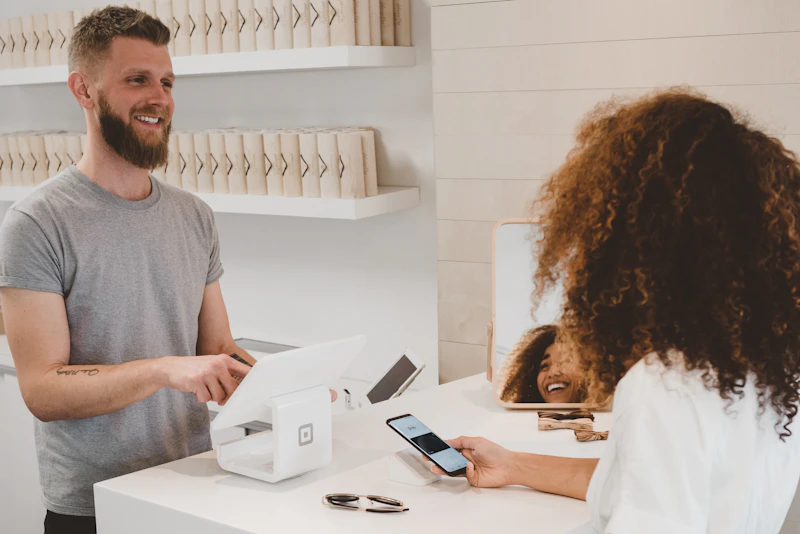
Walk into Kinfolk Marketplace and the first thing you notice is that it doesn't feel like a thrift store. The space at 2100 Roosevelt Rd in Broadview is organized, well-lit, and thoughtfully laid out. Individual vendor booths have distinct personalities — some lean vintage, some lean streetwear, some focus on handmade jewelry or home goods. The variety creates the sensation of visiting a mini-mall of boutiques rather than a single undifferentiated floor. For shoppers who've been put off by the sensory overwhelm of traditional thrift, Kinfolk's model offers a more accessible entry point into secondhand shopping without sacrificing the value proposition.
Community at the Center
Kinfolk Marketplace was founded in November 2024 by Nikki Smart with a clear vision: to create a space where independent sellers and conscious shoppers could come together around shared values of sustainability, community, and economic empowerment. The events calendar — from the large-scale Kinfolk Collective marketplace nights to Fill-A-Bag sales and seasonal pop-up markets — reflects that vision in practice. Commerce is the mechanism, but community is the point. You won't find that at a Goodwill.
If you haven't visited us yet, come see the difference for yourself. We're open Wednesday–Sunday at 2100 Roosevelt Rd, Broadview, IL 60155. Bring a friend — it's better that way.